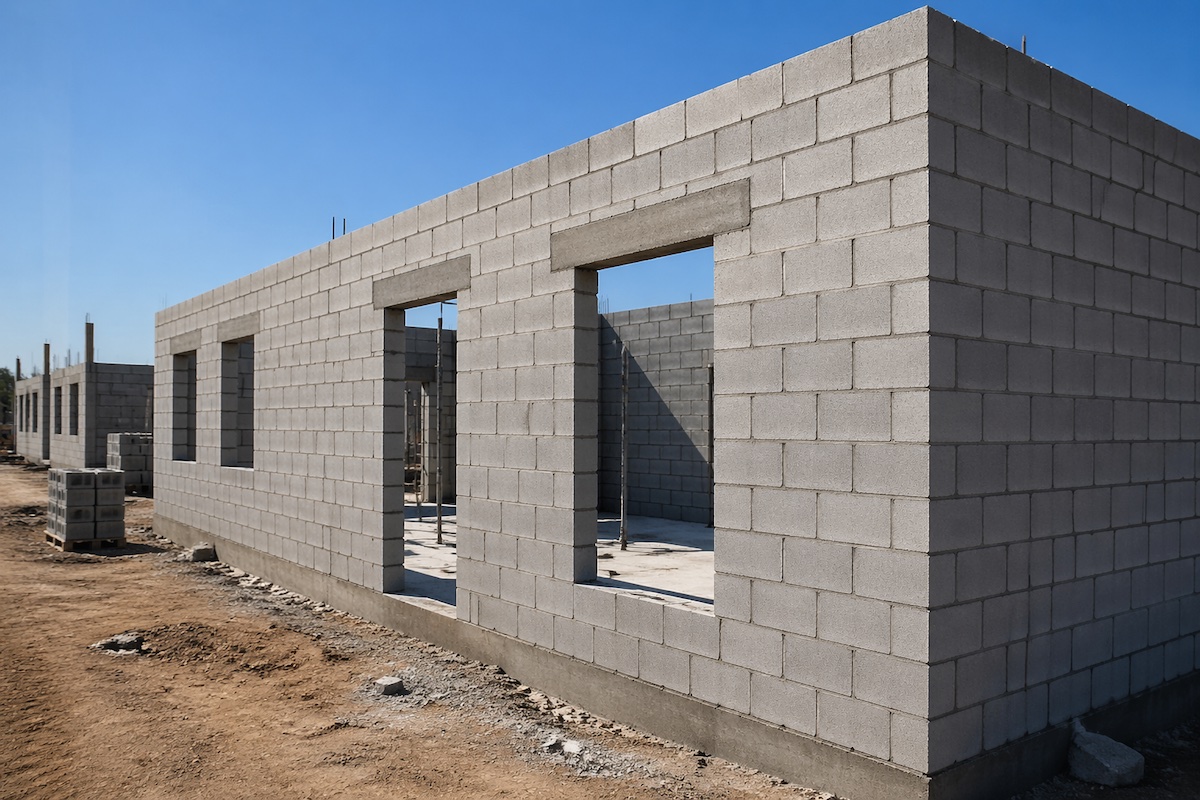
Introduction to CMU Walls
If you’ve ever noticed strong gray walls in warehouses, schools, or commercial buildings, you were likely looking at a CMU wall. CMU stands for Concrete Masonry Unit, and it’s one of the most dependable building systems used today.
CMU walls are popular because they combine strength, durability, and cost efficiency. Builders rely on them for projects that need long-term performance with minimal maintenance. Whether it’s a commercial facility or an industrial structure, CMU walls often form the backbone of the building.
In this guide, you’ll learn exactly what a CMU wall is, how it’s built, and why it’s such a smart choice in construction.
What Does CMU Stand For in Construction?
CMU means Concrete Masonry Unit. These are rectangular blocks made by mixing:
- Cement
- Sand or gravel (aggregates)
- Water
The mixture is molded into blocks and cured until it becomes strong and durable. Because CMUs are made in standard sizes, they are easy to work with and speed up the construction process.
What Is a CMU Wall?
A CMU wall is built by stacking concrete blocks and bonding them together with mortar. These walls can serve different roles depending on the design.
Some CMU walls carry heavy loads and support the structure. Others are used as partitions to divide spaces.
The blocks are usually arranged in a staggered pattern. This pattern improves strength and keeps the wall stable over time. Common wall thicknesses include 4-inch, 6-inch, 8-inch, and 12-inch blocks.
Types of CMU Blocks Used in Construction
Different types of CMU blocks are used depending on the project requirements.
Hollow CMU Blocks
These are the most common. They have empty spaces inside, which makes them lighter and easier to handle. The hollow cores also allow room for steel reinforcement and grout.
Solid CMU Blocks
Solid blocks are heavier and denser. They provide higher strength and are often used where additional load-bearing capacity is needed.
Lightweight CMUs
These blocks use lighter materials, making them easier to install. They also provide better insulation compared to standard blocks.
Architectural CMUs
These are designed for appearance. They come in finishes like split-face or smooth textures and are often used where the wall will remain visible.
Specialty CMUs
These include blocks designed for specific uses, such as corners, beams, or openings for doors and windows.
How CMU Walls Are Constructed
Building a CMU wall follows a clear and methodical process.
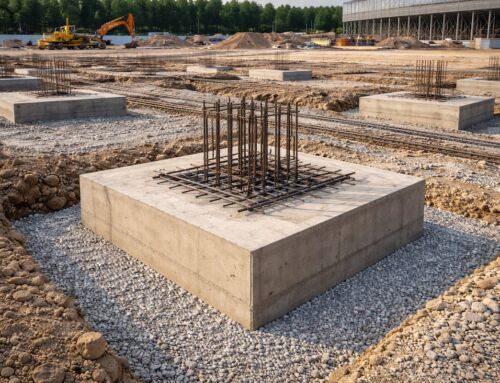
First, a solid and level foundation is prepared. This ensures the wall will remain stable.
Next, the first row of blocks is carefully placed. This step is critical because it sets the alignment for the entire wall.
Mortar is then applied between each block to hold them together. As the wall rises, blocks are staggered to improve strength.
Reinforcement is added during construction. Steel bars are placed vertically and horizontally to increase durability. In some cases, the hollow cores are filled with grout to make the wall even stronger.
Finally, the wall is allowed to cure. Finishes like paint, stucco, or veneers can be applied depending on the project.
Advantages of CMU Walls in Construction
CMU walls offer several benefits that make them a preferred choice.
Strong and Reliable
They can handle heavy loads and are ideal for structural applications.
Fire Resistant
Concrete does not burn, making CMU walls a safe option for commercial buildings.
Long-Lasting
These walls can last decades with minimal upkeep. They resist pests, moisture damage, and weathering.
Cost-Effective
CMU walls balance material and labor costs, making them a practical solution for many projects.
Good Sound Insulation
Their density helps reduce noise, which is useful in offices, schools, and healthcare facilities.
Energy Efficient
CMU walls help regulate indoor temperatures by storing and releasing heat slowly.
Disadvantages of CMU Walls
Despite their benefits, CMU walls do have a few limitations.
They are heavier than wood framing, which can make handling more difficult. Skilled labor is required to ensure proper installation. Without proper reinforcement, cracks may develop over time. Also, they may need finishing for a more polished appearance.
CMU Wall vs Brick Wall
CMU walls and brick walls may look similar, but they are quite different.
CMU blocks are larger, so they can be installed faster. They are also more cost-effective and offer higher structural strength.
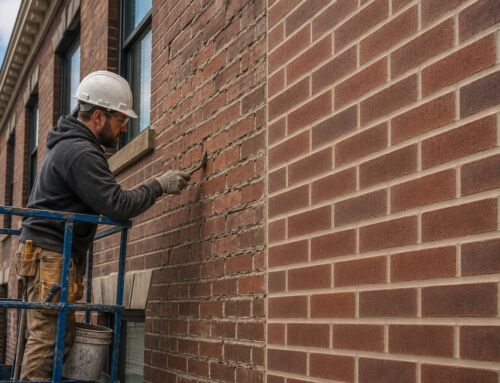
Brick walls, on the other hand, are smaller and take more time to install. However, they are often chosen for their natural appearance.
CMU Wall vs Poured Concrete Wall
Both CMU and poured concrete walls are strong, but they serve different needs.
CMU walls are easier to install and more flexible in design. They are also generally more affordable.
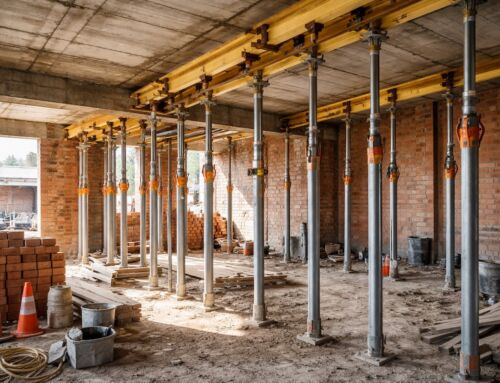
Poured concrete walls create a solid, seamless structure. However, they require more setup, including formwork, which increases cost and complexity.
Common Applications of CMU Walls
CMU walls are used in a wide range of construction projects.
You’ll often find them in commercial buildings, warehouses, schools, hospitals, and industrial facilities. They are also commonly used for retaining walls and building foundations.
Reinforcement in CMU Walls
Reinforcement plays a key role in making CMU walls strong and stable.
Vertical steel bars are placed inside the block cores. Horizontal reinforcement is added between layers. In many cases, grout is used to fill the hollow spaces and lock everything together.
This combination significantly improves the wall’s ability to handle loads and resist cracking.
CMU Wall Finishes and Aesthetic Options
Although CMU walls are known for their strength, they can also be made visually appealing.
Common finishing options include stucco, paint, and veneers like brick or stone. Architectural CMUs can also be used to create a textured or decorative look.
CMU Wall Cost in Construction
The cost of building a CMU wall depends on several factors.
Material quality, labor rates, reinforcement needs, and project location all influence the final price. In most cases, CMU walls are more affordable than brick but slightly more expensive than basic wood framing.
Building Codes and Standards for CMU Walls
CMU walls must meet local building codes to ensure safety and performance.
These codes cover structural strength, fire resistance, and performance under conditions like earthquakes or high winds. Proper design and engineering are essential for compliance.
Maintenance and Lifespan of CMU Walls
One of the biggest advantages of CMU walls is their long lifespan.
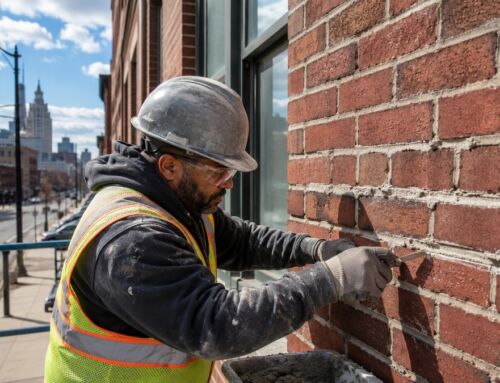
With proper care, they can last 50 to 100 years or more. Maintenance is simple and usually involves repairing small cracks, applying sealants, and updating finishes when needed.
When Should You Choose a CMU Wall?
CMU walls are a great option when strength, durability, and fire resistance are important.
They are especially suitable for commercial and industrial buildings. If long-term performance and low maintenance are priorities, CMU walls are a smart choice.
Frequently Asked Questions
Is a CMU wall load-bearing?
Yes, CMU walls can be designed to support structural loads when properly reinforced.
How strong is a CMU wall?
They have high compressive strength, making them suitable for heavy-duty construction.
What is the lifespan of CMU walls?
Most CMU walls last between 50 and 100 years.
Are CMU walls waterproof?
They resist moisture but usually need sealing for full waterproofing.
What is the difference between CMU and concrete blocks?
There is no difference. CMU is simply the technical term for concrete blocks.
Conclusion: Why CMU Walls Are a Smart Choice for Modern Construction
CMU walls remain one of the most practical solutions in construction because they combine strength, durability, and cost efficiency. They perform well in demanding environments and require very little maintenance over time.
From our experience at Dixon Inc, CMU walls consistently deliver reliable results across commercial and industrial projects. We’ve seen how the right CMU design can improve structural performance while keeping long-term costs under control.
As a team focused on quality construction, we rely on proven building systems that stand the test of time. CMU walls continue to be one of those systems. If you’re planning a project and want a solution that balances performance, safety, and value, CMU construction is a smart investment.