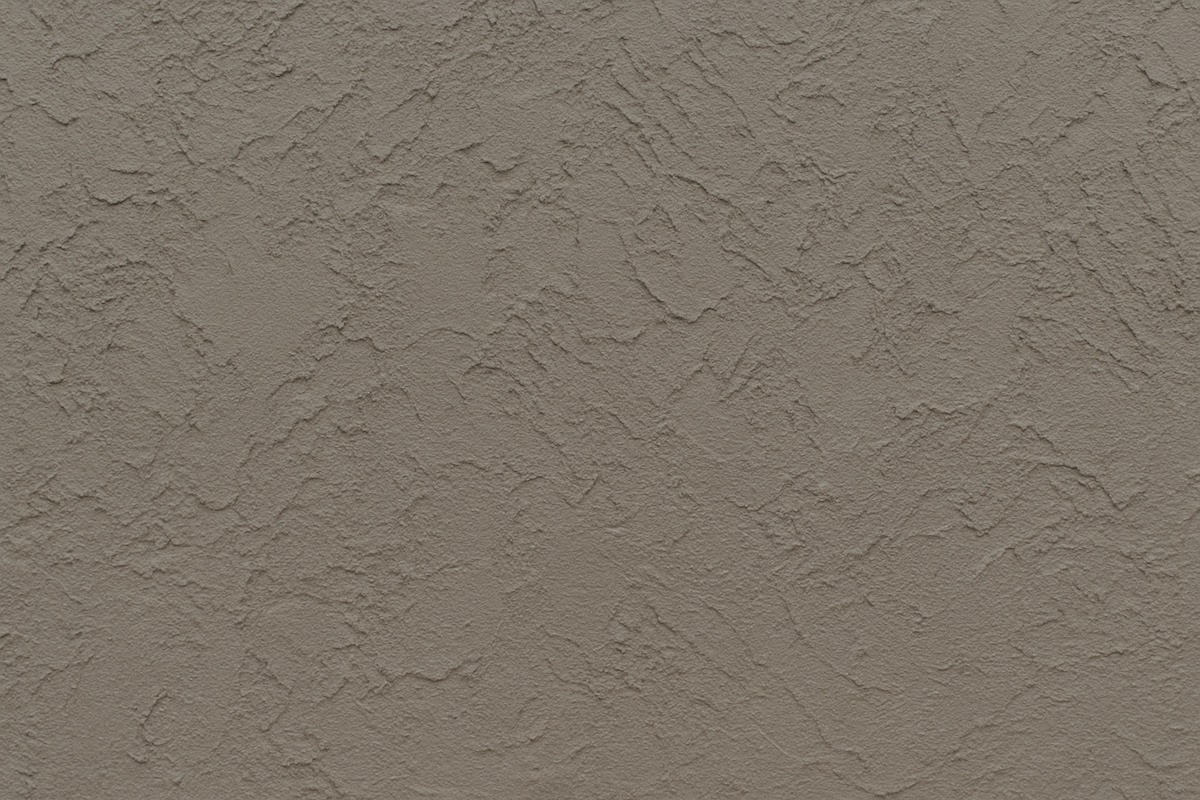
Stucco has been a trusted exterior finish for centuries, admired for its durability, versatility, and timeless look. From historic structures to modern commercial buildings, stucco continues to be a preferred choice because it performs well in different climates and provides long-lasting protection. In this guide, we’ll break down what stucco is, how it works in construction, why it benefits commercial projects, and how to choose the right stucco system for your building.
Introduction to Stucco in Modern Construction
Stucco is a complete wall system engineered to protect, insulate, and enhance the appearance of buildings. Property owners, architects, and contractors choose stucco because it offers a balance of performance, affordability, and design flexibility. Whether you’re designing a retail plaza, office building, or industrial facility, stucco can adapt to your vision while delivering strong protection against weather and wear.
This article explains the meaning of stucco, how it’s installed, its key advantages, common issues to be aware of, and its growing role in commercial construction across the United States.
What Is Stucco?
Stucco Meaning in Construction
In construction, stucco refers to a cement-based exterior finish made from a blend of cement, sand, lime, and water. When applied to the exterior walls of a building, it hardens into a dense, strong, fire-resistant surface. Modern stucco systems may also include additives such as fibers, acrylics, or polymers to improve flexibility, crack resistance, and moisture control.
How Stucco Works as a Building Material
Stucco adheres directly to surfaces like wood, masonry, concrete, or metal lath. As it cures, it forms a rigid, weather-proof shell. Its performance is influenced by proper installation and curing, which help the material resist moisture, impact, and daily wear. Because stucco is breathable, it allows water vapor to escape from the building envelope, reducing the risk of trapped moisture.
Types of Stucco Used in Construction
Traditional (Hard Coat) Stucco
Traditional stucco is applied using a three-coat system: scratch coat, brown coat, and finish coat. This method creates a 7/8-inch thick, highly durable wall surface that performs well in high-traffic or harsh-weather environments. It’s commonly used in commercial buildings that require strength and longevity.
Synthetic (EIFS) Stucco
EIFS stands for Exterior Insulation and Finish System. It looks similar to traditional stucco but includes multiple layers such as insulation boards, adhesives, mesh, and an acrylic finish. EIFS is known for excellent energy efficiency, moisture management, and design flexibility. Many commercial buildings choose EIFS to reduce heating and cooling costs.
One-Coat Stucco Systems
A one-coat stucco system reduces installation time by combining the scratch and brown coat into a single application. It still includes a finish coat, making it faster and more cost-effective. This method works well for commercial projects on tighter construction timelines while still delivering good durability.
How Stucco Is Installed
The Layered Installation Process
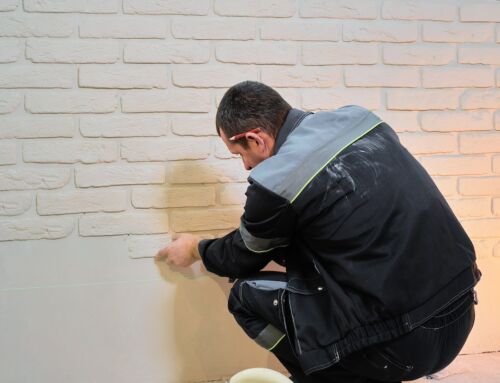
Stucco installation involves multiple stages:
Substrate Preparation:
The structural base—whether wood sheathing, masonry, or concrete—must be clean and stable.
Moisture Barrier:
A weather-resistant barrier helps prevent water intrusion while allowing vapor to escape.
Metal Lath:
A wire lath or mesh reinforces the stucco and provides a surface for the system to bond to.
Base Coat:
Depending on the system, one or two coats of cement-based material are applied and allowed to cure.
Finish Coat:
The final layer adds texture, color, and protection. It can be smooth, rough, sanded, or patterned depending on the design.
Tools and Materials Used
Stucco installation requires trowels, hawks, mixers, floats, and sprayers (for large projects). Materials include cement, sand, lime, water, fibers, acrylics, mesh, foam boards (for EIFS), and sealants.
Benefits of Using Stucco in Construction
Durability and Longevity
Stucco can last for decades with minimal maintenance. It withstands wind, sun, rain, and impact better than many exterior finishes. Its fire resistance also makes it ideal for commercial buildings where safety regulations are strict.
Aesthetic Flexibility
One of stucco’s biggest strengths is its design versatility. It can be customized with:
- Smooth or textured finishes
- Light or bold color palettes
- Decorative architectural elements
This allows architects to match brand identity or building themes across retail centers, hotels, and institutional properties.
Energy Efficiency
EIFS stucco systems, in particular, provide excellent insulation. They reduce the workload on HVAC systems by helping regulate interior temperatures. Over time, this can significantly lower energy expenses for commercial buildings.
Acoustic Performance
Stucco has natural sound-dampening qualities. In noisy urban environments or high-traffic commercial areas, it helps create a quieter indoor environment.
Cost-Effectiveness
Although stucco installation requires skilled labor, the long-term cost is low. Its life-cycle value is high because it rarely needs replacement. Repairs are straightforward, and the material requires little upkeep.
Stucco in Commercial Construction
Why Stucco Is a Top Choice for Commercial Buildings
Commercial properties need strong, low-maintenance exteriors that can handle years of weather, traffic, and operational demands. Stucco checks all those boxes. It provides clean, uniform surfaces that improve curb appeal and support brand consistency.
Common Commercial Applications
Stucco is widely used in:
- Office buildings
- Retail plazas and strip centers
- Hotels and hospitality facilities
- Educational institutions
- Healthcare properties
- Warehouses and industrial buildings
Because stucco can be shaped and colored in many ways, it fits modern, traditional, and minimalist designs alike.
Compliance, Safety, and Building Codes
Stucco’s fire resistance makes it easier for commercial buildings to meet safety standards. EIFS systems also help meet strict energy codes across the U.S. Proper installation ensures the system performs well against moisture, UV exposure, and wind load requirements.
Common Problems With Stucco and How to Avoid Them
Moisture Intrusion
Improper flashing, drainage issues, or installation mistakes can cause water to seep behind stucco. To avoid this:
- Install proper moisture barriers
- Ensure correct flashing around openings
- Use drainage EIFS systems in wet climates
Cracking
Stucco can crack due to building movement, sudden temperature changes, or incorrect curing. Using fiber-reinforced materials and expansion joints helps reduce cracking.
Improper EIFS Installation
EIFS requires precise detailing. If not installed correctly, it can trap moisture. Working with trained professionals and choosing systems with drainage layers helps avoid issues.
Maintenance Tips
Even though stucco is low-maintenance, regular inspection helps preserve its appearance and performance. Cleaning with mild detergent, repairing cracks early, and resealing where needed extend its lifespan.
Stucco vs Other Exterior Finishes
Stucco vs Brick
Brick is extremely durable but more expensive. Stucco offers similar longevity at a lower cost with more texture and color options.
Stucco vs Siding (Vinyl or Fiber Cement)
Vinyl siding is cheaper but less durable. Fiber cement is strong but heavier. Stucco provides better fire resistance and a more premium look.
Stucco vs Concrete Panels
Concrete panels are strong and modern-looking, but installation is complex and costly. Stucco achieves a similar aesthetic with more flexibility.
Cost of Stucco Installation
Price Per Square Foot
Stucco typically costs $6–$12 per square foot, while EIFS may range from $9–$20 per square foot, depending on material quality and complexity.
Cost Factors
- Labor
- Stucco system type (traditional, EIFS, one-coat)
- Building height and size
- Climate and project location
- Architectural details and textures
How to Choose the Right Stucco System for Your Commercial Project
Consider Building Type and Use
A high-traffic hotel may require a more impact-resistant system, while an office building may prioritize aesthetics and energy performance.
Climate Considerations
Dry climates suit traditional stucco well. Wet or cold climates often benefit from EIFS with drainage.
Desired Performance Features
If insulation and efficiency matter most, EIFS is the better choice. For maximum durability, opt for a three-coat traditional system.
Working With a Professional Commercial Contractor
Proper installation determines how long stucco will last. Commercial contractors with stucco experience ensure quality, code compliance, and long-term reliability.
Conclusion
Stucco remains one of the most reliable and adaptable exterior finishes in construction. Its durability, fire resistance, design versatility, and energy efficiency make it an excellent choice for commercial properties of all sizes. When installed correctly, stucco provides decades of performance with minimal upkeep, making it a smart investment for building owners.
At Dixon Inc, we help clients choose the right exterior systems based on their project goals, climate, and long-term needs. Our team has extensive experience working with stucco and a wide range of commercial construction solutions. If you’re planning a new development or upgrading an existing structure, we’re here to guide you with expertise, precision, and a commitment to quality. Feel free to reach out—we’d be glad to help bring your project to life.