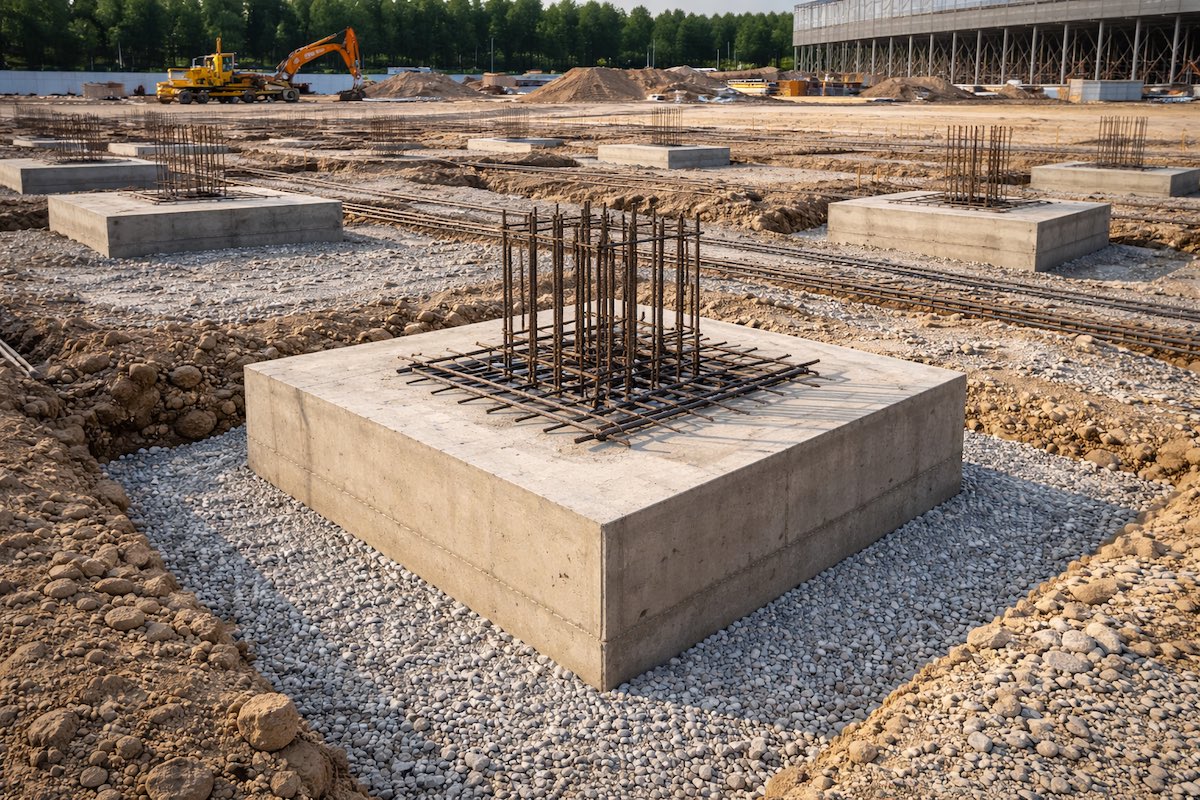
In commercial construction, some of the most important structural elements are the ones you never see. Footings fall squarely into that category. Hidden below ground level, footings quietly support massive loads, stabilize entire structures, and protect buildings from long-term damage. When designed and constructed correctly, they ensure a commercial building performs safely and reliably for decades. When done poorly, they can lead to costly repairs, structural failures, and serious liability issues.
This article explains what a footing is in commercial construction, why it matters so much, the different types of footings used, and how proper footing design impacts the safety, performance, and lifespan of commercial buildings.
What Is a Footing in Commercial Construction?
A footing is a structural element placed at the base of a building to support the foundation and safely transfer loads from the structure into the ground. In simple terms, footings spread the weight of a building over a larger area so the soil beneath can support it without shifting or failing.
In commercial construction, footings are especially critical because commercial buildings typically carry heavier loads, span larger areas, support multiple stories or heavy equipment, and must meet stricter building codes and engineering standards.
Footings are not the same as foundations. Footings support the foundation, and the foundation supports the rest of the structure. Without properly designed footings, even the strongest foundation system is at risk.
Why Footings Matter in Commercial Buildings
Load Distribution and Structural Stability
Commercial buildings generate enormous loads from the building itself, occupants, inventory, equipment, and environmental forces such as wind or seismic activity. Footings distribute these loads evenly into the soil, preventing excessive pressure on any one point.
Without proper load distribution, the soil beneath the building can compress unevenly, which leads to structural movement and long-term damage.
Preventing Settlement and Structural Cracks
One of the most common consequences of poor footing design is uneven settlement. When parts of a building settle more than others, cracks can appear in walls, floors, and foundations. Over time, these issues grow worse and can compromise the structural integrity of the building.
Properly designed footings reduce the risk of settlement by matching the size, depth, and reinforcement of the footing to the soil conditions and structural loads.
Safety, Longevity, and Liability
In commercial construction, safety is critical. Footing failures can weaken the structure, increase liability exposure, and create safety risks for occupants and visitors. Strong, well-built footings protect not only the building but also the people and businesses operating inside it.
Types of Footings Used in Commercial Construction
Isolated (Pad) Footings
Isolated footings support individual columns and are commonly used in steel-frame commercial buildings such as warehouses and industrial facilities. These footings are designed to handle concentrated loads at specific points.
Strip Footings
Strip footings run continuously beneath load-bearing walls. They are widely used in commercial masonry and concrete buildings where walls carry significant structural loads.
Combined Footings
Combined footings are used when columns are close together, and individual footings would overlap. This design allows the loads from multiple columns to be distributed evenly into the soil.
Raft (Mat) Footings
Raft footings extend across a large portion of the building footprint and are used when soil conditions are weak or when loads are spread over many columns and walls. They are common in large commercial buildings and heavy-load applications.
Pile Footings
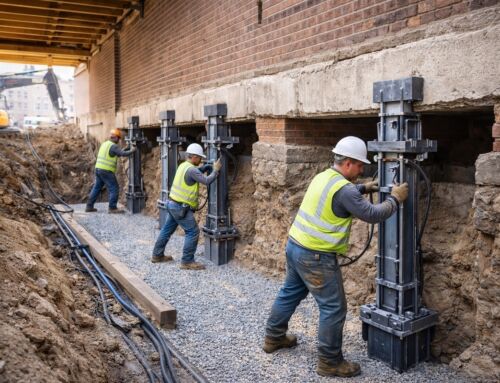
Pile footings are part of deep foundation systems. When surface soils cannot support the building, piles transfer loads to deeper, stronger soil layers or bedrock. This approach is often used in large commercial, industrial, or high-rise projects.
Key Factors That Influence Footing Design in Commercial Construction
Soil Type and Bearing Capacity
Soil conditions play a major role in footing design. Clay, sand, silt, and rock each behave differently under load. Geotechnical soil testing helps engineers determine how much weight the soil can safely support.
Structural Load Requirements
Commercial footings must support both dead loads, which include the weight of the structure itself, and live loads such as people, vehicles, equipment, and stored materials. Buildings with heavy machinery or storage needs often require specially engineered footing systems.
Climate and Environmental Conditions
Environmental factors such as frost depth, groundwater levels, and seismic activity affect how deep footings must be placed and how they are reinforced. In colder climates, footings must extend below the frost line to prevent movement caused by freeze-thaw cycles.
Building Codes and Engineering Standards
Strict building codes govern commercial construction. Footing designs must comply with local and national regulations and are typically reviewed and approved by licensed structural engineers.
Footings vs Foundations in Commercial Construction
Although the terms are sometimes used interchangeably, footings and foundations serve different purposes. Footings distribute loads into the soil, while foundations transfer loads from the building to the footings. Together, they form a system that supports the entire structure.
Confusing the two or underestimating the importance of footings can lead to serious design and construction mistakes.
Common Footing Problems in Commercial Construction
Inadequate Soil Preparation
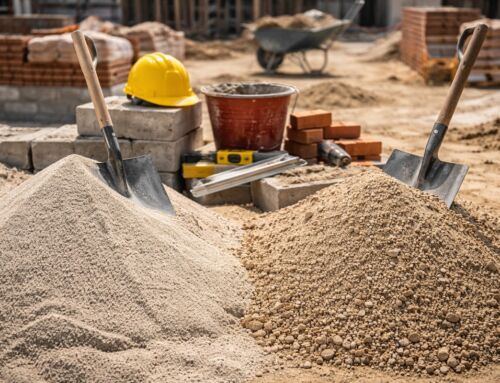
Failing to compact soil properly or ignoring soil test results can undermine even well-designed footings. Poor preparation often leads to settlement issues later in the building’s life.
Improper Footing Size or Depth
Undersized or shallow footings may not distribute loads effectively. This is a common cause of cracking and structural movement in commercial buildings.
Poor Concrete Quality or Reinforcement
Incorrect reinforcement placement or low-quality concrete can reduce the strength and durability of footings. Quality control during construction is essential.
How Footings Impact the Overall Cost of a Commercial Project
While footings represent a significant upfront investment, they reduce long-term costs by preventing structural damage and expensive repairs. Fixing foundation problems caused by footing failure is far more costly than doing the work correctly from the start.
In commercial construction, cutting corners on footings is a false economy.
When Are Special Footing Systems Required?
Special footing systems are often required for high-rise commercial buildings, industrial facilities with heavy machinery, large-span structures, and sites with weak or expansive soils. In these cases, engineered solutions such as pile-supported footings or mat foundations provide the stability the project demands.
The Role of Structural Engineers and Contractors in Footing Construction
Structural engineers design footings based on soil data, building loads, and code requirements. Contractors are responsible for executing those designs accurately in the field. Successful commercial projects depend on close coordination between engineering and construction teams.
Footing Construction Process in Commercial Projects
The process typically begins with site preparation and excavation to the required depth. This is followed by formwork and reinforcement placement according to the engineered design. Concrete is then poured and properly cured. Inspections and quality checks are conducted before construction moves forward.
Signs of Footing Failure in Commercial Buildings
Common warning signs include cracks in walls or floors, uneven or sloping floors, doors and windows that no longer align properly, and visible structural movement. Identifying these issues early can help prevent more serious damage.
How Proper Footings Extend the Life of Commercial Buildings
Strong, well-designed footings improve structural durability, reduce maintenance costs, enhance safety, and protect the long-term value of commercial properties. They are a foundational investment in the building’s future.
FAQs About Footings in Commercial Construction
What is the purpose of a footing in commercial construction?
A footing distributes the weight of a commercial building into the soil, providing stability and preventing settlement.
How deep should a footing be for a commercial building?
Footing depth depends on soil conditions, structural loads, frost depth, and local building codes.
Are commercial footings different from residential footings?
Yes. Commercial footings are typically larger, deeper, and engineered to handle heavier loads and stricter code requirements.
What happens if footings are not designed correctly?
Improper footings can lead to settlement, cracking, structural failure, and costly repairs.
Do all commercial buildings require deep footings?
No. Some commercial buildings can use shallow footings if soil conditions and loads allow it.
Final Thoughts: Why Footings Are the Backbone of Commercial Construction
Footings may be out of sight, but they play a defining role in how a commercial building performs over time. From structural stability to long-term durability, everything above ground depends on what happens below it.
At Dixon Inc, we believe strong commercial buildings start from the ground up. Our team focuses on proper footing design, precise execution, and quality construction practices that support long-term performance. By doing the work right at the foundation level, we help our clients build commercial structures that remain safe, durable, and dependable for years to come.